Factory-direct warehouse racking & material handling equipment — 20+ years of manufacturing experience for global B2B buyers.
Factory-direct warehouse racking & material handling equipment — 20+ years of manufacturing experience for global B2B buyers.
Explore heavy-duty industrial storage racks, pallet systems, and high-density racking units direct from our manufacturing facility.
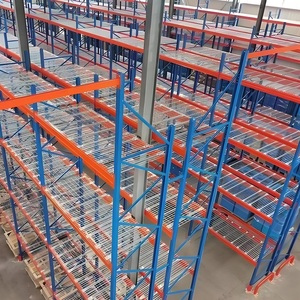
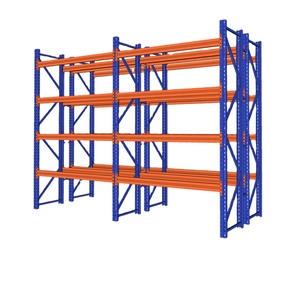
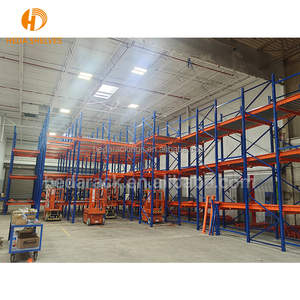
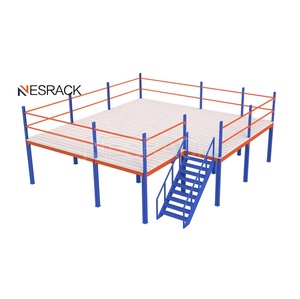
Last-In, First-Out (LIFO) pallet storage systems represent the apex of high-density warehouse spatial optimization. Unlike standard 100% direct-access selective pallet racking—which frequently squanders up to 60% of floor cubic volume on aisle clearance—LIFO systems consolidate access to a single loading/unloading face per lane. This layout eliminates intermediate aisle requirements, drastically reducing footprint cost per pallet position while maintaining high-throughput logistics velocity.
Push-back racking operates using a series of nested, inclined carts that ride on inclined structural steel rails anchored to heavy-duty load beams. When the first pallet is loaded by a forklift, it rests on the top nested cart. As the second pallet is inserted, the operator physically pushes the first pallet backward, exposing the secondary cart beneath it. This process continues up to 2-deep, 3-deep, 4-deep, 5-deep, or even 6-deep configurations.
The system relies on a precise gradient incline—typically engineered at a pitch between 1.5° to 2.2° (approx. 3% grade)—allowing stored pallets to automatically slide forward to the front aisle face via controlled gravitational force when the front pallet is retrieved. Structural safety stops, inertia dampers, and anti-lift tabs ensure smooth trajectory control without risk of derailment or structural shock.
Drive-In LIFO systems utilize continuous floor-to-ceiling upright frames equipped with cantilevered support arms and heavy-gauge steel runner rails. Forklifts enter the racking bays directly to deposit or pick up unit loads. Because forklifts physically navigate inside the rack structure, rigid lateral stability, heavy-duty floor anchoring, column guards, and guide rails (structural angle or tubed floor guides) are non-negotiable structural requirements.
Representing modern digital transformation in warehousing, semi-automated LIFO shuttle systems replace manual forklift driving within the rack with a self-propelled, battery-powered shuttle car controlled via RF remote or warehouse management software (WMS). The shuttle carries pallets deep into high-density channels up to 30+ pallets deep, dramatically reducing driver cycle times, forklift collision hazards, and product damage costs.
Evaluating enterprise-level racking manufacturers requires assessing steel metallurgy standards, structural engineering certifications (such as RMI ANSI MH16.1 in North America and FEM 10.2.02 / EN 15512 in Europe), automated production scale, and quality control systems. Below is an engineering overview of the top global suppliers dominating the LIFO pallet racking sector:
| Manufacturer / Supplier | Primary LIFO Specialization | Structural Steel Quality Grade | Engineering Compliance Standards | Key Strengths & System Focus |
|---|---|---|---|---|
| 1. Rack Pricing Storage Solutions | Push-Back, Drive-In, Mezzanine & Shuttle Systems | Q235B / Q355B Cold-Rolled Steel | EN 15512, RMI, ISO 9001, OSHA 29 CFR | Direct factory pricing, custom CAD layouts, integrated powder coating line, export bundling. |
| 2. Mecalux | Push-Back Carts & Pallet Shuttle Systems | S235JR / S355JR Structural Steel | EN 15512, FEM 10.2.02, ISO 14001 | Global automation integration, extensive WMS software suite, large distribution footprint. |
| 3. SSI SCHAEFER | Automated LIFO Channels & Heavy Drive-In Racks | High-Tensile European Standard Steel | DIN EN ISO 9001, FEM Racking Code | Ultra-dense automated systems, cold storage specialized, high system longevity. |
| 4. Interlake Mecalux | Teardrop Push-Back & Heavy Duty Drive-In | High-Yield Cold-Formed Steel | RMI (ANSI MH16.1), US Safety Codes | Dominant North American footprint, standard teardrop hole-pattern compatibility. |
| 5. Jungheinrich AG | Drive-In & Shuttle LIFO Storage Hubs | Spec-Engineered European Alloy | FEM, EN Standards, CE Certification | Seamless integration with AGVs, automated material handling equipment, forklift synergy. |
| 6. Stow Group | Stow Atlas Shuttle & Heavy Push-Back Systems | Micro-alloyed High Yield Steels | EN 15512, RMI, ISO 9001 | Modular rack designs, high capacity per upright channel, advanced manufacturing robotics. |
| 7. Ridg-U-Rak | Structural & Slotted Column Drive-In Systems | Heavy Gauge Structural Channels | RMI Certified, OSHA Compliant | Impact-resistant structural steel configurations, heavy manufacturing focus. |
| 8. Frazier Industrial Company | 100% Structural Steel Drive-In & Push-Back Racks | Hot-Rolled Structural C-Channels | RMI ANSI MH16.1, AISC Code | Maximum abuse resistance for high-traffic environments and beverage distribution. |
| 9. Nedcon | Custom Dynamic LIFO Systems & High-Bay Units | Certified European High Tensile Steel | EN 15512, EN 16681 (Seismic) | Complex engineering designs, seismic risk zone optimization, high-bay precision. |
| 10. Dexion (Constructor Group) | Drive-In & Push-Back Trolley Racking | Cold-Rolled High-Grade Profile Steel | FEM 10.2.02, ISO 9001 | Strong presence in EMEA and APAC markets, modular adaptability, versatile racking accessories. |
When selecting a LIFO manufacturing partner, procurement directors must evaluate the supplier's capability to provide custom structural engineering reports, Finite Element Analysis (FEA) under seismic loading, electrostatic powder coating longevity, and precision-engineered cart alignment to prevent operational jam-ups.
1. Finite Element Analysis (FEA) & Seismic Resiliency: Advanced dynamic FEA simulation software allows structural engineers to model localized stress concentration points during forklift loading and seismic vibration. Modern LIFO uprights feature variable cold-rolled profile geometry with stiffening ribs to maximize section modulus while optimizing steel tonnage.
2. Low-Profile Nested Cart Systems: Traditional push-back cart stacks consumed valuable vertical height. Next-generation push-back systems utilize ultra-low-profile steel carts with heavy-gauge polyurethane-coated precision bearings, regaining up to 4 to 6 inches of vertical clearance per bay—enabling an additional beam level in height-restricted facilities.
3. IoT Sensor-Integrated Shuttle Carriers: LIFO radio shuttle carriers are increasingly fitted with optical LiDAR sensors, RFID load tracking, and predictive maintenance telemetry. These devices report pallet location, payload weight compliance, and battery thermal health directly to cloud-based ERP/WMS platforms.
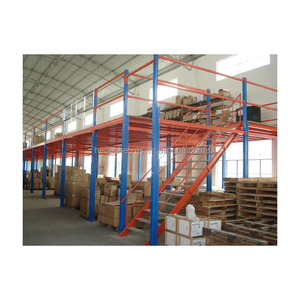
4. Modular Hybrid LIFO-Mezzanine Architectures: Integrating heavy-duty push-back cart systems directly into the lower levels of structural steel mezzanine platforms creates multi-tier distribution hubs capable of simultaneous pallet storage and upper-level piece-picking operations.
1. Direct OEM Factory Procurement vs. Local Reselling: Global enterprise buyers are moving away from multi-layer distributor networks in favor of direct OEM engineering partnerships. Direct sourcing from experienced manufacturers yields a 25–40% cost efficiency while guaranteeing mill test certificates (MTC) for steel raw materials.
2. Total Cost of Ownership (TCO) & Container Density: Sourcing decisions prioritize container space optimization. Precision engineering teams bundle roll-formed upright frames, nested beams, and cart assemblies with custom steel cradles and protective cardboard wrap to fit up to 26–28 tons of racking per 40ft HQ container, minimizing ocean freight cost per pallet slot.
3. ESG & Sustainable Powder Coatings: Environmental compliance standards require zero-VOC, heavy-metal-free electrostatic powder coating finishes. Thermosetting epoxy-polyester coatings applied via automated multi-stage pre-treatment wash cycles ensure corrosion resistance up to 500 hours in salt spray testing.
4. Code Compliance Transparency: Global project contractors mandate comprehensive documentation packages including weld certifications (AWS D1.1 / EN ISO 9606), structural loading plates, layout approvals, and anchor bolt calculation sheets prior to shipment.
As a global pioneer in warehouse racking manufacturing with over 20 years of dedicated production experience, Rack Pricing Storage Solutions Co., Ltd. delivers factory-direct high-density racking systems engineered to stringent global standards. Our fully integrated facility controls every step of production—from raw cold-rolled steel slitting, continuous roll forming, multi-station automatic punching, robotic MIG welding, to full-automated electrostatic powder coating.
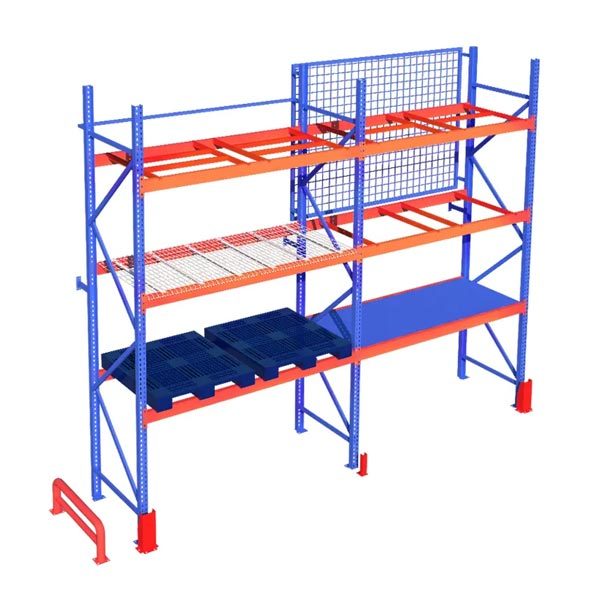
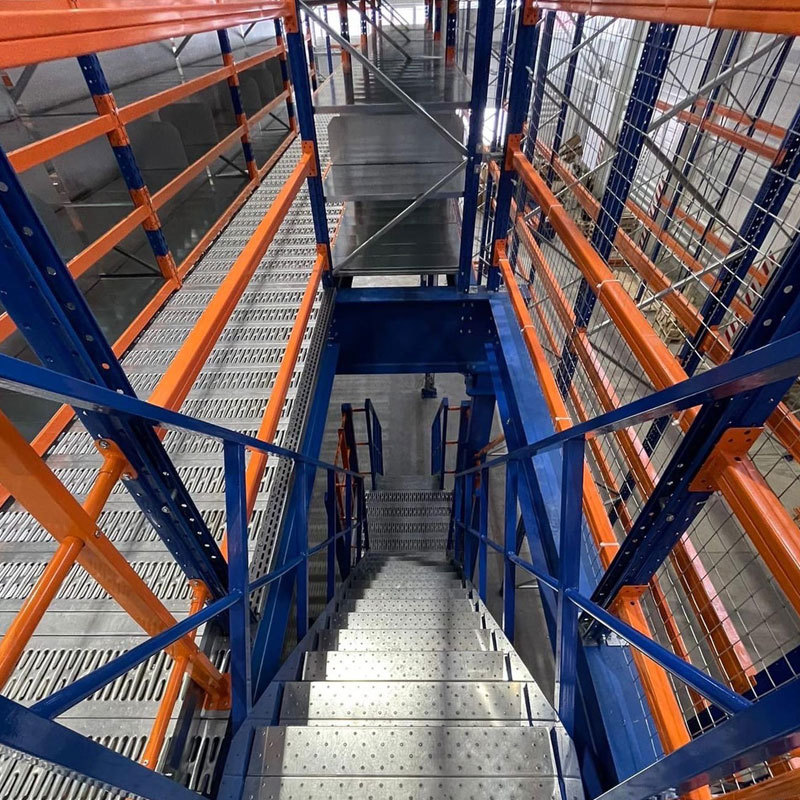
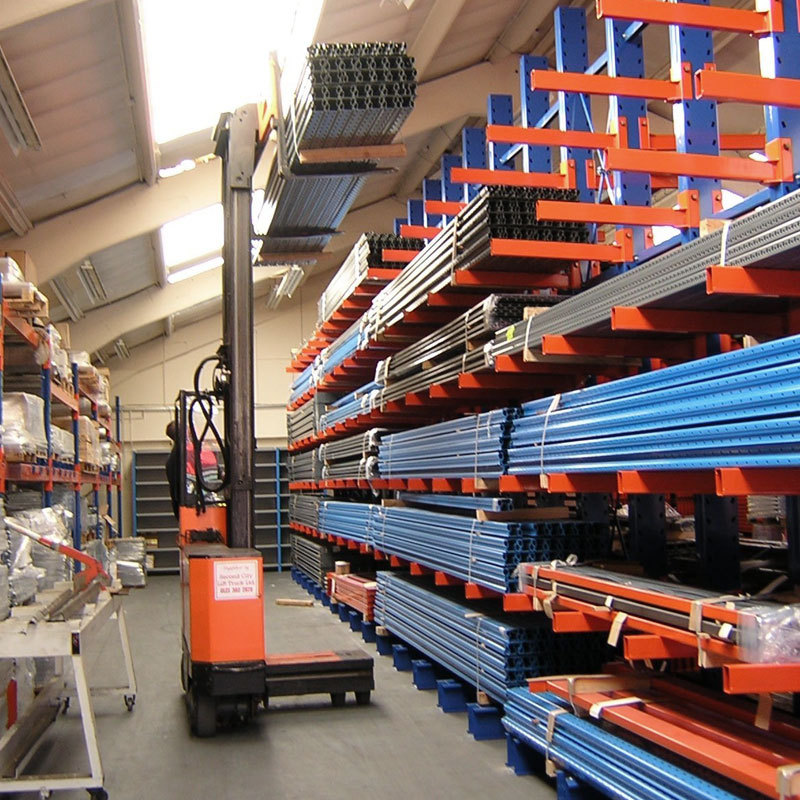
Our in-house engineering team provides complimentary 2D layout drawings, 3D spatial models, and structural calculation reports matched to your floor slab specifications, forklift clearance curves, and building column grids.
Every batch of Q235B and Q355B cold-rolled steel undergoes tensile testing, yield strength verification, coating thickness checks (80–100 microns), and weld penetration testing prior to factory sign-off.
We supply part-numbered steel component bundling, step-by-step installation manuals, video guidance, and direct container loading optimization to eliminate shipping damage and simplify site assembly.
Detailed technical, engineering, and procurement answers for warehouse operations managers, structural engineers, and logistics directors.
Contact our engineering consultants today for a complimentary CAD floor plan layout, capacity calculation, and direct factory pricing analysis.



