Factory-direct warehouse racking & material handling equipment — 20+ years of manufacturing experience for global B2B buyers.
Factory-direct warehouse racking & material handling equipment — 20+ years of manufacturing experience for global B2B buyers.
Custom fabricated steel structural systems optimized for high-density refrigerated environments, blast freezers, and temperature-controlled distribution centers.
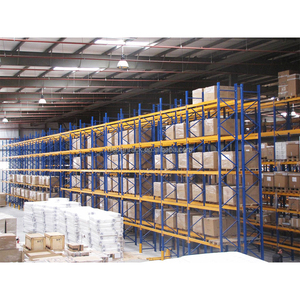
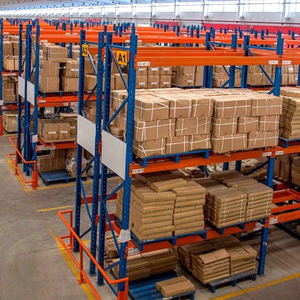
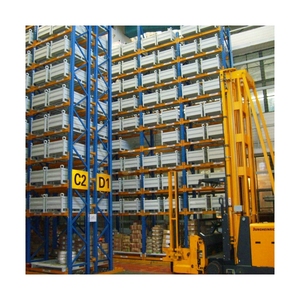
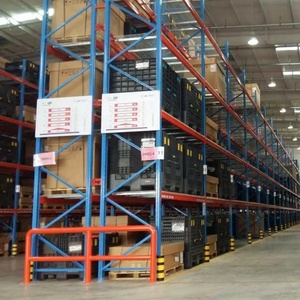
Operating a refrigerated warehouse or blast-freezer storage facility presents unique structural engineering, metallurgical, and space optimization challenges. Unlike ambient storage facilities, cold storage environments demand meticulous control over micro-climates, thermal contraction dynamics, moisture accumulation, and energy costs. Operating costs per cubic meter in cold storage are up to 5 times higher than standard ambient warehousing, making volume optimization and structural durability paramount.
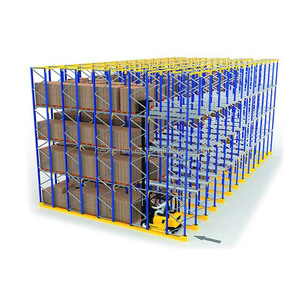
As a premiere OEM cold storage pallet racking manufacturer and global exporter, our engineering methodology integrates structural FEA (Finite Element Analysis) stress testing with specialized low-temperature metallurgy. We manufacture robust, custom-tailored racking architectures—ranging from high-density Drive-In and Automated Radio Shuttle systems to Very Narrow Aisle (VNA) and Mobile Racking assemblies. Our systems are engineered to prevent low-temperature ductile-to-brittle steel transitions, withstand extreme sub-zero conditions down to -30°C (-22°F), and comply strictly with global safety standards including EN 15635, ANSI/RMI MH16.1, and ISO 9001 quality frameworks.
We source certified Q355B low-alloy structural steel treated specifically for impact toughness at sub-zero temperatures, preventing cold-induced metal embrittlement and stress cracking.
Dual-action hot-dip galvanizing (HDG) per ISO 1461 and specialized low-temperature thermosetting epoxy powder coatings safeguard structural uprights against severe condensation and oxidation.
Custom OEM structural configurations engineered to increase footprint space utilization by up to 85%, dramatically lowering refrigeration energy costs per pallet position.
Selecting the optimal cold storage racking system requires balancing storage density, pallet accessibility (FIFO vs. LIFO), operational throughput, and capital expenditure. The table below outlines structural capabilities across primary OEM cold room configurations:
| Racking Architecture Type | Volumetric Efficiency | Selectivity / Access | Ideal Thermal Range | Cold Room Handling Equipment | OEM Customization Index |
|---|---|---|---|---|---|
| Automated Radio Shuttle Racking | Very High (Up to 85%) | LIFO / FIFO Capable | -25°C to -30°C | Standard Reach Truck + Shuttle Unit | High (Sensors, PLC Integration) |
| Drive-In / Drive-Thru Racking | High (70% - 80%) | LIFO (Drive-In) / FIFO | -18°C to -25°C | Deep-Reach Cold-Rated Forklifts | High (Upright Guarding, Rails) |
| Mobile Electric Pallet Racking | Maximum (Up to 90%) | 100% Direct Access | -20°C to +4°C | Standard Counterbalance / Reach | Extreme (PLC, Rail In-Slab) |
| Very Narrow Aisle (VNA) Racking | Moderate-High (65% - 75%) | 100% Direct Access | -10°C to +4°C | VNA Turret Trucks / Wire-Guided | Medium (Height Profile to 15m+) |
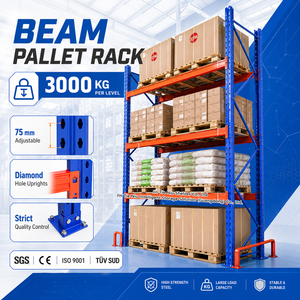
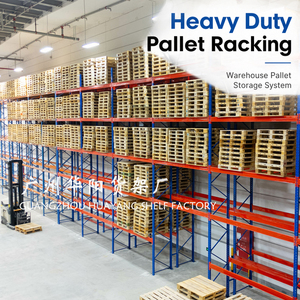
| Selective Heavy-Duty Racking | Standard (40% - 50%) | 100% Direct Access | -30°C to +10°C | All Conventional Forklifts | High (Beam profiles, Wire Decks) |
Standard mild carbon steels (such as low-grade Q235 structural steel) undergo a ductile-to-brittle transition when subjected to continuous temperatures below 0°C. Under thermal contraction, structural steel lattice structures experience increased yield strength but significantly reduced impact energy absorption. In cold storage distribution hubs with heavy forklift operations, an accidental impact on an embrittled upright frame can trigger structural collapse.
To eliminate low-temperature brittle fracture risks, our custom OEM fabrication line utilizes high-tensile Q355B and Q355D grade structural steel profiles. Our steel undergoes strict Charpy V-notch impact testing at -20°C and -40°C, verifying that the structural steel retains minimum impact absorption thresholds exceeding 27 Joules. This metallurgical resilience ensures that upright columns, beam connectors, and bracing channels absorb operational kinetic energy safely.
Humidity and condensation are constant operational hazards in cold storage facilities. When cold rooms are defrosted, or when pallets transition between ambient loading docks and freezer chambers, atmospheric moisture condenses on cold steel surfaces. If left unprotected, rapid oxidation and rust pitting degrade beam load ratings.
Our factory offers two specialized OEM surface protection treatments:
The global cold chain logistics market is rapidly evolving, driven by expanded pharmaceutical distribution, online grocery fulfillment, and tightening ESG (Environmental, Social, and Governance) energy efficiency requirements. Procurement directors and supply chain managers must align their capital expenditure with next-generation structural racking trends:
Cold storage operators are shifting from manual forklift handling to fully automated stacker cranes and shuttle systems (AS/RS). OEM racking designs now require tighter manufacturing tolerances (+/- 1.0mm), integrated sensor mounting brackets, and specialized guide-rail geometry.
With electricity costs soaring, modern cold room design prioritizes vertical height expansion (up to 30 meters) over horizontal footprints. Modern procurement mandates high-bay racking systems capable of bearing extreme top-heavy loading profiles while maximizing volumetric storage efficiency.
Next-generation OEM racking installations incorporate embedded strain gauges, tilt sensors, and wireless impact monitors. These IoT devices alert facility managers to forklift strikes or thermal movement stress in real time, preventing catastrophic rack structural fatigue.
As international food safety regulations tighten (such as FSMA and EU GDP guidelines), cold storage supply chains are undergoing fundamental structural shifts. Over the next decade, supply chain leaders will encounter key technological transitions:
1. Modular & Scalable High-Density Infrastructures: Future cold rooms are designed around modular structural components that allow rapid reconfiguration without structural cutting or welding. Custom OEM designs prioritize boltless adjustable beam connectors, expandable drive-in rails, and plug-and-play shuttle channels.
2. Decarbonization and Green Warehousing: Sustainable steel production utilizing green hydrogen and recycled scrap metal is becoming a mandatory requirement in B2B procurement tenders. OEM exporters are called upon to provide verified Environmental Product Declarations (EPD) detailing embodied carbon metrics across the steel roll-forming lifecycle.
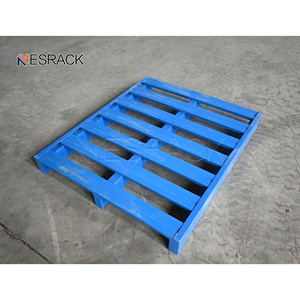
3. Heavy-Duty Steel Pallet Standardization: Traditional wooden pallets degrade rapidly in humid cold storage environments, releasing wood splinters and harbouring microbial growth. High-strength 4-way entry galvanized steel pallets are fast becoming the industry standard for automated sub-zero warehouses due to their absolute dimensional stability and hygienic compliance.
As a leading China-based heavy-duty racking manufacturer and exporter, our engineering group brings over two decades of technical expertise directly to global project contractors, 3PL operators, and rack equipment distributors.
Our dedicated structural engineering team provides complete 2D/3D CAD warehouse layout proposals, seismic calculation reports, and finite element load analysis tailored to your specific cold room slab specifications.
Equipped with 20+ automated continuous roll-forming production lines and robotic welding cells, we achieve dimensional tolerances within +/- 0.5mm, ensuring flawless field assembly and structural beam locking alignment.
All upright frames, beams, and accessories are part-numbered, wrapped with protective heavy-duty film, corner-shielded, and bundled to maximize 40ft HQ container cubic capacity, protecting surface finishes during ocean transport.
Key technical answers for procurement officers, structural consultants, and cold chain warehouse operations managers:
For blast freezers operating between -25°C and -30°C, standard mild carbon steel (Q235B) is insufficient due to brittle fracture risks. We mandate structural Q355B or Q355D steel profiles tested under Charpy V-notch impact standards to ensure high impact energy retention under sub-zero thermal stress.
Defrost cycles cause moisture condensation on cold steel surfaces. We recommend either Hot-Dip Galvanizing (HDG) compliant with ISO 1461 (65–85μm zinc thickness) or a dual-layer epoxy-polyester powder coating over a zinc-rich primer. Both methods seal the steel substrate from ambient moisture and micro-cracking.
Yes. Our engineering division manufactures custom OEM upright profiles, beam connector lugs, and pitch spacing that seamlessly integrate with legacy global profiles, including North American Teardrop, European 50mm/75mm pitch systems, and Canadian Redirack profiles.
We require your warehouse floor plan dimensions (length, width, clear height), concrete slab load rating, column grid locations, operating temperature range, pallet dimensions (W x D x H including load), maximum pallet weight, and forklift model specification (lift height, turning radius).
In cold storage facilities built on insulated floor slabs, micro-expansion occurs during thermal drawdown. We supply engineered anchor expansion bolts with chemical epoxy anchoring options along with high-impact baseplates to distribute point loads across the floor insulation barrier without breaching floor vapor seals.
Our OEM cold storage racking structures are calculated and manufactured in strict compliance with European FEM 10.2.02 / EN 15512 standards, American RMI (Rack Manufacturers Institute) MH16.1 codes, and ISO 9001 quality management procedures. CE safety certificates are provided with export shipments.
Connect with our senior cold chain structural engineers today for technical layout design, load capacity calculations, and competitive factory-direct OEM pricing.
Inquire Now


