Factory-direct warehouse racking & material handling equipment — 20+ years of manufacturing experience for global B2B buyers.
Factory-direct warehouse racking & material handling equipment — 20+ years of manufacturing experience for global B2B buyers.
Explore our structural pallet racking solutions specifically manufactured to withstand harsh sub-zero temperatures, humid defrost cycles, and high-frequency forklift operations.
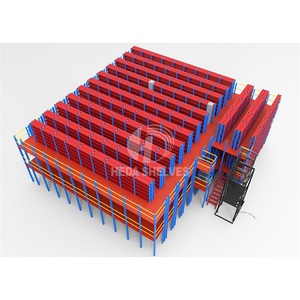
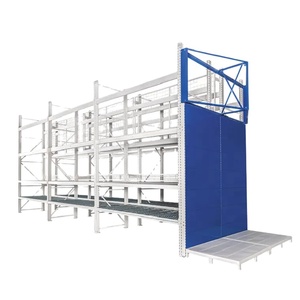
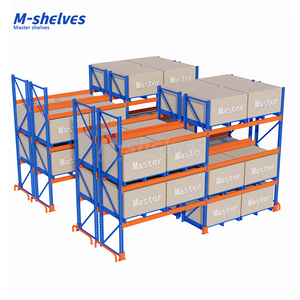
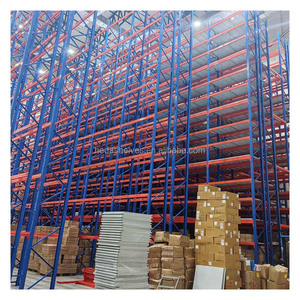
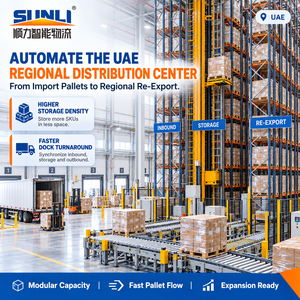
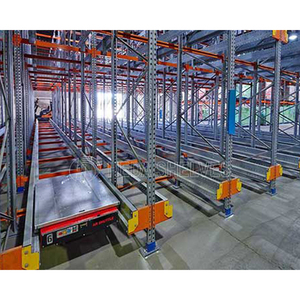
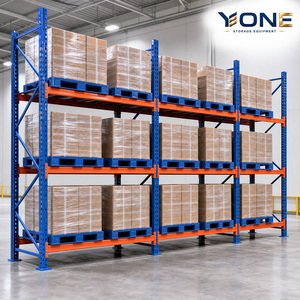
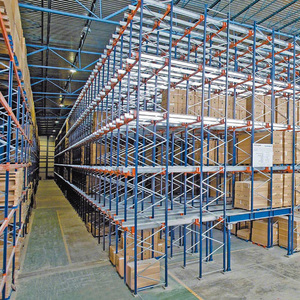
As a premier Chinese manufacturer of heavy-duty pallet racking, we eliminate middleman markups while enforcing rigorous metallurgical standards for extreme cold-chain environments.
We utilize certified Q355B micro-alloyed structural steel engineered specifically to combat low-temperature steel embrittlement, keeping your high-density racks structural sound down to -40°C.
Our proprietary in-house electrostatic powder coating line applies specialized poly-epoxy resins. This forms a hermetic, moisture-impermeable layer that prevents micro-cracks during frequent defrost cycles.
Our structural engineering team produces precise 2D floor plans and 3D building information models (BIM) within 24 hours, optimizing your facility’s volumetric cold-storage utilization.
Every racking beam, upright frame, and connector lock is designed to align strictly with international safety practices, including EN 15635, RMI, ANSI MH16.1, and OSHA 29 CFR 1910 standards.
All cold storage racking components are bundled using heavy-gauge plastic film wraps, corner protectors, and steel banding, ensuring damage-free maritime container transport worldwide.
Operating a refrigerated warehouse or blast freezer presents severe structural challenges that standard ambient-temperature pallet racking cannot withstand. In environments ranging from 0°C to -40°C, ordinary carbon steel loses ductile plasticity and becomes vulnerable to catastrophic brittle fracture. As a specialized China Wholesale Freezer Pallet Racking Manufacturer & Factory, Rack Pricing Storage Solutions Co., Ltd. integrates specialized metallurgy, physical chemistry, and mechanical engineering into every rack profile.
Under sub-zero conditions, conventional steel experiences a dramatic drop in impact toughness. Standard low-carbon steel (such as Q235A) subjected to rapid forklift impacts or dynamic loading at -30°C can fracture along crystalline grain boundaries without warning. To eliminate this risk, our engineering team exclusively specifies micro-alloyed structural steels (e.g., Q355B, Q355E, or cold-rolled high-tensile alloys) that undergo Charpy V-Notch impact testing at -20°C and -40°C. This ensures high energy absorption even under maximum rated loading capacity.
Information Gain Key Metric: Cold storage structural integrity depends heavily on steel choice. Using Q355E micro-alloy steel maintains over 27 Joules of impact energy resistance at -40°C, preventing instantaneous frame collapse from accidental forklift collisions inside freezer vaults.
Steel contracts non-linearly when subjected to rapid thermal pull-down during initial warehouse commissioning. A 100-meter continuous row of pallet racking can experience structural contraction of up to 35mm when cooled from ambient (+25°C) to operational freezer temperatures (-30°C). Our engineers incorporate specialized slotted bolt connections, dynamic beam connectors, and floating floor anchor systems to absorb thermal displacement without inducing internal shear stress on anchor bolts or column uprights.
| Steel Grade Spec | Yield Strength (MPa) | Impact Energy (-20°C) | Recommended Freezer Application |
|---|---|---|---|
| Q235B Standard | ≥ 235 | 20 Joules | Chill Rooms (0°C to +5°C) |
| Q355B High Strength | ≥ 355 | 34 Joules | Deep Freezers (-18°C to -25°C) |
| Q355E Cryogenic Grade | ≥ 355 | 47 Joules | Blast Freezers (-30°C to -40°C) |
| Pre-Galvanized Coil | ≥ 280 to 350 | N/A | High Humidity & Defrost Zones |
Humidity management is an ongoing structural concern in cold storage facilities. Moisture condenses on cool steel surfaces during defrost cycles or warm air ingress through loading dock doors. If the protective coating contains micro-pinholes, rust rapidly spreads underneath the paint film, weakening structural integrity. We combat this using a dual-action surface protection protocol:
Global cold-chain supply chains are undergoing rapid technological shifts driven by escalating electrical energy costs, labor shortages, and stringent pharmaceutical/food safety regulations. Buying cold storage racking is no longer a simple structural transaction; it requires long-term investment analysis focused on maximum volumetric efficiency.
Every cubic meter of cooled air carries a continuous electrical refrigeration cost. Traditional selective pallet racking achieves only 40% to 50% volumetric utilization of freezer space because wide forklift aisles must be continuously chilled. Future-ready procurement strategies prioritize high-density automated systems:
Procurement teams are shifting focus from initial capital expenditure (CAPEX) to 10-year total cost of ownership (TCO). A heavy-duty Radio Shuttle or Double-Deep Pallet Rack system manufactured by Rack Pricing Storage Solutions Co., Ltd. may require a slightly higher initial racking investment, but it yields substantial long-term operational savings:
Energy ROI Analysis: Transitioning a 5,000-pallet cold store from Selective Racking to a 4-Deep Radio Shuttle System reduces the required building footprint by up to 42%. This footprint reduction slashes ongoing refrigeration power consumption by 30-35% annually, achieving complete CAPEX payback within 24 to 30 months.
Modern sub-zero logistics hubs are integrating wireless strain-gauge sensors and IoT tilt detectors directly onto primary pallet rack uprights. These sensors continuously monitor for physical impacts, structural overload, and floor foundation settling caused by frost-heave forces in underlying soil layers.
The manufacturing landscape for cold storage racking is evolving rapidly. Advanced structural engineering software, eco-friendly metal finishing, and modular structural designs are reshaping how high-performance storage solutions are built in China and deployed globally.
Modern pallet rack upright profiles utilize multi-stage roll-forming machines with automated online laser punching. Upright profiles with 11 to 13 structural bends per column offer substantially higher torsional rigidity than traditional 8-fold open C-channel sections. This geometry enables slimmer wall steel thicknesses while delivering higher load capacities—reducing structural steel weight without compromising frame stability.
In response to international ESG (Environmental, Social, and Governance) compliance demands, our production facility utilizes fully enclosed powder coating lines with 98% powder recovery systems and zero-VOC emissions. Furthermore, closed-loop water treatment systems ensure zero hazardous chemical runoff during pre-treatment wash cycles.
Modern cold logistics operators require adaptable infrastructure. Modular beam-to-column tear-drop and Redirack-compatible hook structures allow fast reconfiguration of rack level heights without requiring specialized structural welding inside cold rooms. This flexibility allows facilities to quickly shift between standard GMA pallets, EURO pallets, and bulk industrial containers as inventory mix changes.
Clear, technical answers to help supply chain directors, warehouse managers, and project engineers select the optimal racking infrastructure from China.
Consult directly with our senior structural engineers today. Receive custom CAD layout designs, sub-zero steel material specifications, and direct factory pricing within 24 hours.
Send an Inquiry


