Factory-direct warehouse racking & material handling equipment — 20+ years of manufacturing experience for global B2B buyers.
Factory-direct warehouse racking & material handling equipment — 20+ years of manufacturing experience for global B2B buyers.
Designed for heavy-duty payload capacities, extreme cold-room resistance, dynamic inventory turnover, and strict food safety compliance.
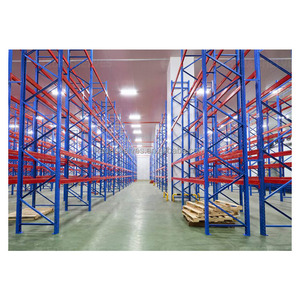
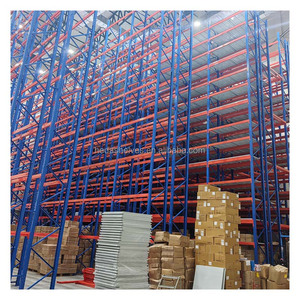
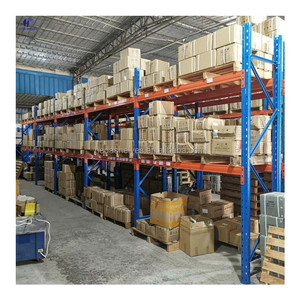
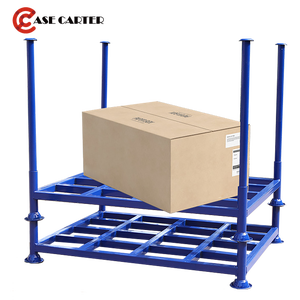
An authoritative analysis on structural steel selection, anti-corrosion chemistry, sanitary design compliance, and low-temperature durability.
Food and beverage warehousing represents one of the most demanding sub-sectors of industrial material handling. Storage equipment suppliers and global exporters must balance maximum volumetric storage efficiency with strict structural safety, rapid inventory velocity, and uncompromising sanitary compliance. Whether designing ambient dry-goods distribution centers or sub-zero (-30°C) cold storage facilities, precise metallurgical and structural choices dictate long-term operational profitability.
In sub-zero cold rooms, standard carbon steel undergoes a microstructural phenomenon known as the Ductile-to-Brittle Transition Temperature (DBTT). Under prolonged sub-zero conditions, conventional steel profiles lose impact resistance and become susceptible to sudden brittle fractures caused by forklift bumps or structural overload.
As a specialized China wholesale food storage pallet racking manufacturer, our engineering team specifies high-tensile Q235B and Q355B structural steel alloys refined with micro-alloying elements (such as Manganese and Silicon) to maintain mechanical toughness down to -30°C. Upright columns and load beams undergo rigorous Charpy V-notch impact testing to verify structural resilience under extreme refrigeration conditions.
| Storage Environment | Operating Temp | Recommended Steel Grade | Surface Treatment Specification | Primary Application |
|---|---|---|---|---|
| Ambient Food Storage | +10°C to +45°C | Q235B Cold-Rolled Steel | Thermosetting Epoxy-Polyester Powder Coating (60-80 µm) | Canned goods, packaging, grain bulk, bottled beverages |
| Chilled Fresh Produce | 0°C to +8°C | Q235B / Q355B High-Tensile Steel | Pre-Galvanized or Heavy Powder Coating with Anti-Microbial additive | Dairy, fresh meat, fruits, vegetables, seafood logistics |
| Sub-Zero Cold Room | -18°C to -25°C | Q355B Certified Low-Temp Steel | Hot-Dip Galvanizing (HDG) per ISO 1461 (≥85 µm) | Frozen food storage, ice cream, raw meat export hubs |
| Deep Blast Freezer | -28°C to -35°C | Micro-Alloyed Specialized Q355D Steel | Continuous Galvanized Steel (Z275 / Z600 rating) | Pharma-grade cold storage, deep-freeze seafood inventory |
In food-grade environments, surface degradation leads to rust flakes, bacterial harboring, and structural compromise. B2B importers must select the appropriate coating technology based on environmental moisture levels:
Traditional industrial racking often features open-C upright channels and hollow beam pockets where organic dust, moisture, and pests can accumulate. Food safety guidelines (such as HACCP and FDA FSMA compliance) require rack profiles designed for total cleanability:
How automated high-density storage, energy-aware warehousing, and smart IoT integration are reshaping global cold chain procurement strategies.
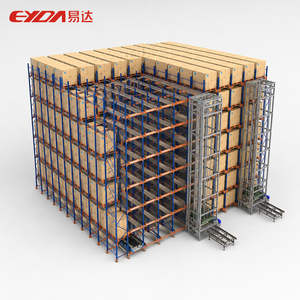
Rising energy costs in cold storage facilities are driving buyers away from traditional drive-in racking toward semi-automated Radio Shuttle Racking. Shuttle vehicles travel inside racking channels to store and retrieve pallets autonomously, reducing forklift entry, cutting operating aisle widths, and expanding storage density up to 85% per cubic meter.
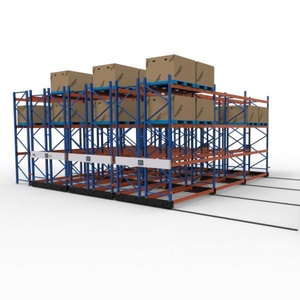
Cold room real estate is incredibly expensive to refrigerate. Motorized Mobile Pallet Racking systems mount heavy-duty racking frames onto electrically driven mobile bases. By opening only one active forklift aisle at a time, warehouses eliminate wasted static aisle space and achieve 90% volumetric building utilization.
Modern mega-distribution centers are integrating wireless load-cell sensors and telemetry modules directly into rack uprights. These smart nodes detect micro-deflections, accidental forklift impacts, and structural overload in real time, notifying safety officers via cloud dashboards before catastrophic rack failure occurs.
Global logistics operators are moving away from regional distributors to partner directly with Chinese factory exporters. Direct OEM manufacturing enables custom profile punching, precise steel thickness verification, certified welding inspection (NDT), and dramatic reduction in total procurement costs.
Scope 3 carbon reduction mandates require food supply chains to assess the carbon footprint of their physical infrastructure. Our modern production lines utilize zero-VOC powder coatings, closed-loop water recovery systems during chemical washing, and 100% recyclable structural steel alloys.
As food storage facilities expand vertically up to 15+ meters, seismic engineering becomes critical. Importers require dynamic FEA (Finite Element Analysis) structural simulation to ensure rack stability during earthquake tremors without compromising storage payload capacities.
With over two decades of dedicated manufacturing experience, we specialize in supplying high-capacity pallet racking, automated shuttle systems, and sub-zero storage equipment to food importers, 3PL distributors, and project contractors worldwide.
Expert engineering answers to technical, commercial, and regulatory questions asked by international buyers and project engineers.
Partner with China's leading wholesale food racking supplier. Get free engineering CAD drawings, load capacity calculations, and factory-direct pricing within 24 hours.



