Factory-direct warehouse racking & material handling equipment — 20+ years of manufacturing experience for global B2B buyers.
Factory-direct warehouse racking & material handling equipment — 20+ years of manufacturing experience for global B2B buyers.
Architectural layout engineering, certified steel integrity, and heavy-capacity storage optimization for global logistics, 3PL networks, and automated distribution centers.
Explore our industrial-grade, load-tested pallet storage systems manufactured directly from high-tensile cold-rolled steel profiles.
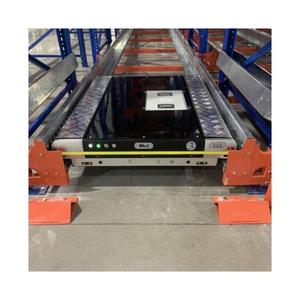
High-capacity automated shuttle system maximizing cubic storage density, featuring CE-certified steel frames and smart radio shuttle integration.
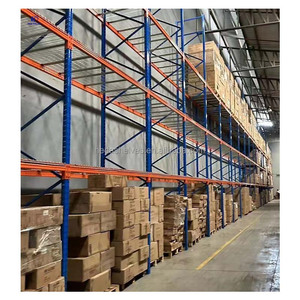
Engineered for cold storage and massive SKU consolidation. Optimizes warehouse floor footprint by eliminating unnecessary aisles.
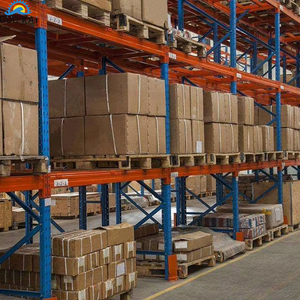
Fully adjustable multi-level upright profiles providing 100% immediate pallet accessibility for versatile distribution operations.
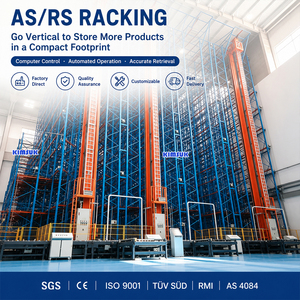
Estanterías Antisísmicas engineered with reinforced cross-bracing and dynamic load dampening for automated high-bay warehouses.
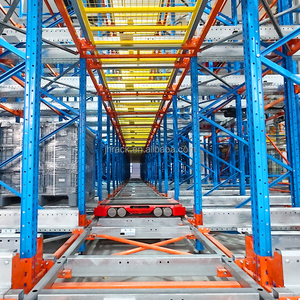
Next-generation automated multi-level fleet shuttle matrix engineered for fast fulfillment, high-volume distribution, and low power usage.
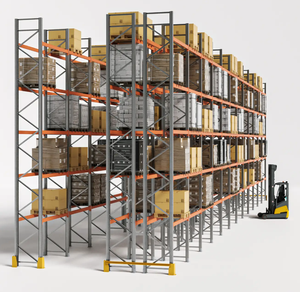
Multi-layer electrostatically powder-coated steel racking configured for double-deep pantographs and high-density beam positioning.
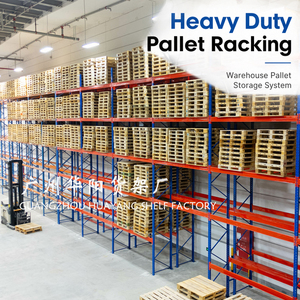
Ultra-rugged steel uprights designed for extreme unit loads, heavy manufacturing components, and multi-level floor mezzanine platforms.
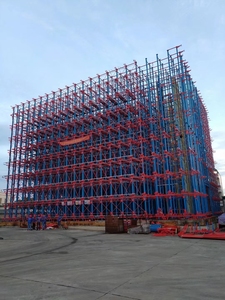
Optimizes volumetric storage by utilizing self-powered cart systems across deep multi-level channels, reducing operational forklift run times.
In modern industrial logistics, vertical storage optimization is no longer merely an option—it is a core economic imperative. As a premier CE-certified multi-level pallet racking manufacturer, our engineering methodology integrates advanced cold-formed steel section design, rigorous finite element analysis (FEA), and strict adherence to international structural guidelines including EN 15512:2020, FEM 10.2.02, and ANSI/RMI MH16.1.
Multi-level pallet racking systems (often combined with multi-tier walkways, mezzanine floor extensions, or automated shuttle tracks) subject structural columns to heavy axial compression combined with bending moments. Our manufacturing facility utilizes high-tensile structural steel (Q235B, Q355B, and SS Grade 50) cold-rolled into continuous teardrop, Redirack, or box-type profiles with 12 to 16 fold stiffness bends, significantly elevating buckling resistance.
Information Gain Insight: Unlike standard single-selective racks, multi-tier pallet racking systems feature combined dynamic loads from vertical forklift placement and live floor loads from operational personnel (up to 500–1000 kg/m² on walkway floors). Structural stability must account for sway frame deflection limitations restricted to maximum L/200 under full load conditions.
To ensure total reliability across international project tenders, our factory enforces precise manufacturing tolerances on column punching, beam connector engage-claws, and safety lock pins. Below is our standardized structural profile table:
| Profile Type | Standard Width (mm) | Steel Thickness | Yield Strength (MPa) | Max Bay Load Capacity |
|---|---|---|---|---|
| Heavy Duty Upright 90 | 90 mm Profile | 1.8 mm - 2.0 mm | ≥ 355 MPa (Q355B) | Up to 12,000 KG |
| Super Heavy Upright 120 | 120 mm Profile | 2.3 mm - 3.0 mm | ≥ 355 MPa (Q355B) | Up to 24,000 KG |
| Box Step Beam 100 | 100 mm Profile | 1.5 mm - 1.8 mm | ≥ 235 MPa (Q235B) | 2,000 KG / Pair |
| Heavy Box Beam 140 | 140 mm Profile | 1.8 mm - 2.0 mm | ≥ 235 MPa (Q235B) | 3,500 KG / Pair |
| Walkway C-Channel Beam | 200 mm Structural C | 2.5 mm - 3.0 mm | ≥ 355 MPa (Q355B) | 1,000 KG / m² Floor Load |
Corrosion protection directly governs the operational life of industrial racking systems. Our integrated production plant operates a fully automated 220-meter continuous electrostatic powder coating line. The multi-stage pretreatment process incorporates iron-phosphatizing and micro-decontamination wash cycles, followed by thermosetting epoxy-polyester powder spraying cured at 200°C.
Strategic technology developments and global supply chain shifts reshaping how enterprise logistics directors source warehouse racking.
Future multi-level racking systems are rapidly moving away from purely manual forklift loading. Enterprise buyers are shifting capital expenditures toward hybrid pallet shuttle matrices and 4-Way Radio Shuttle AS/RS frameworks. These designs yield a 40% increase in storage volume while drastically reducing labor overhead and forklift collision risks.
Global regulatory bodies are mandating third-party structural verification. Project tenders in Europe, North America, and seismic zones (Latin America/Oceania) now strictly enforce EN 15635 rack safety inspection standards and earthquake displacement calculations (Estanterías Antisísmicas), demanding certified mill certificates for raw steel lots.
Procurement strategies now prioritize smart racking infrastructure. Uprights equipped with IoT shock sensors and deflection monitoring transponders enable real-time detection of forklift impacts and over-capacity stress alerts, preventing catastrophic frame collapses before they occur.
Corporate sustainability targets are pushing manufacturers to adopt low-carbon "green steel" processes and zero-VOC powder formulations. Importing enterprise buyers require transparent environmental product declarations (EPD) alongside factory audit trails.
Warehouse racking design has progressed through distinct technological generations over the past 50 years. Understanding this evolutionary arc empowers industrial procurement officers to select future-proof equipment layout systems.
Early industrial storage relied heavily on hot-rolled structural steel angles joined by manual bolts or simple rivet pins. While structurally rigid, these systems offered poor adaptability, high shipping volume costs, and localized structural failure points under dynamic impact loads.
The development of precision cold-roll forming machines enabled manufacturers to create hollow-section teardrop and Redirack beam profiles. Tool-less adjustable connectors allowed beam levels to be reconfigured in 50mm or 75mm pitch increments, drastically reducing installation labor and container freight volume.
As urban real estate costs escalated, storage systems evolved vertically. Multi-level racking integrated mezzanine floor decking, grating, mesh walkways, and integrated fire sprinkler lines within the frame structure itself, turning simple pallet racks into comprehensive structural buildings.
Today’s cutting-edge multi-level racking combines high-tensile cold-rolled steel profiles with precision autonomous shuttle tracks. Engineered under finite element modeling for zone-4 seismic activity, modern systems seamlessly blend mechanical load bearing with robotic material handling automation.
As a leading Chinese storage rack manufacturer backed by over 20 years of international trade execution, we provide end-to-end engineering transparency, raw material traceability, and direct factory pricing benefits to global buyers.
From coil slitting and automated roll forming to robotic welding cells and powder coating, every production step is maintained inside our 100,000+ m² facility.
Our structural design team provides customized 2D CAD layouts, 3D structural renderings, and static load distribution calculations completely free of charge prior to order commitment.
Our complete multi-level racking product line maintains full CE marking, ISO 9001:2015 quality management compliance, and adherence to OSHA 29 CFR 1910 safety guidelines.
Components are systematically bundled, corner-protected with heavy corrugated film, part-numbered according to assembly drawings, and container-stowed for rapid site unloading.
Direct technical clarity on engineering inputs, certification credentials, container packing density, and custom profile matching.
Consult with our structural racking engineers today. Receive a complimentary CAD layout design, detailed static load analysis, and factory-direct quotation within 24 hours.
Get Catalog


