Factory-direct warehouse racking & material handling equipment — 20+ years of manufacturing experience for global B2B buyers.
Warehouse pressure is reshaping how companies evaluate Standard Pallet Racking suppliers worldwide. E-commerce growth, SKU expansion, and tighter delivery windows now demand storage systems that are safe, adaptable, and measurable. The stakes are real. A poorly specified upright can reduce usable space, slow picking, and create avoidable maintenance costs.
The MHI Annual Industry Report 2024 identifies continuing investment in supply chain technology, while also highlighting persistent labor and operational challenges. These findings make supplier capability more important than a catalogue price. Buyers should examine load calculations, beam profiles, seismic design options, installation controls, inspection services, and spare-part availability. CBRE’s 2024 logistics research also points to sustained occupier demand for efficient warehouse space. Every square metre matters. Standard Pallet Racking remains widely used because it supports direct pallet access, flexible configurations, and integration with forklifts or selective automation.
This 2026 guide compares leading suppliers through a practical, evidence-based lens. It considers manufacturing experience, engineering documentation, international support, certifications, project references, and after-sales responsiveness. Supplier claims should not be accepted without verification. Product quality can vary between regions, even under the same brand name. No ranking is perfect. Local building codes, pallet dimensions, floor conditions, and operator habits can change the best choice. Some buyers may also overvalue automation readiness while underestimating installation discipline. That is a mistake worth examining. The strongest suppliers are not simply the largest; they are the ones that provide traceable specifications, realistic lead times, and dependable support from design through future expansion.
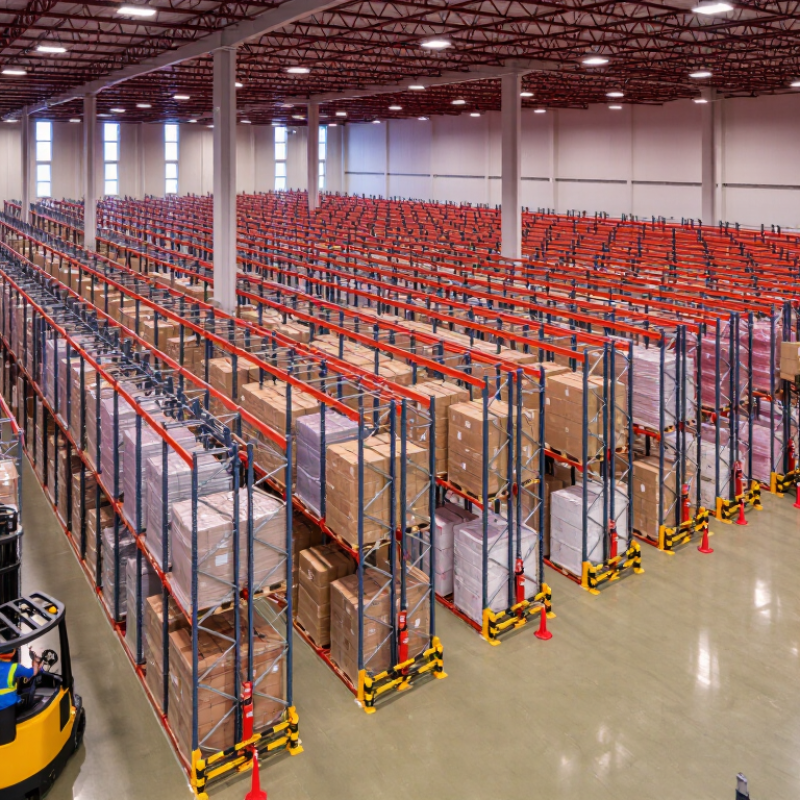
Standard pallet racking is the familiar steel storage system found in many distribution warehouses. It uses vertical upright frames, horizontal beams, and deck supports. Forklifts place pallets on adjustable levels. Each pallet normally has direct access from the aisle.
This arrangement is called selective racking. It offers high accessibility, but not the highest storage density. A 2024 MHI Annual Industry Report found that 83% of respondents viewed supply chain technology as a competitive advantage. Racking still depends on disciplined physical design. A warehouse needs correct aisle width, beam height, pallet dimensions, and safe forklift clearance. FIFO is not automatic. Operators must control loading and picking sequences.
Capacity requires careful calculation. Engineers consider pallet weight, beam span, frame height, floor quality, seismic conditions, and impact risks. OSHA 1910.176(b) requires stored materials to remain stable and secure. ANSI MH16.1 also provides structural guidance for industrial steel storage racks. These references support safer decisions, but they do not replace a site inspection.
Small errors become expensive. A pallet that extends beyond its beam can obstruct travel paths. An overloaded beam may appear normal until repeated movement weakens the system. MHI’s report also highlights workforce shortages and operational complexity. That matters here. Clear load labels, routine inspections, and trained forklift operators reduce avoidable failures. A spreadsheet may suggest more levels, but fire protection, lighting, and access can limit the real capacity.
When evaluating pallet racking suppliers in 2026, start with proven engineering experience. Ask for projects serving similar loads, building heights, and handling equipment. A supplier should provide clear load calculations, rack drawings, and material specifications. Independent test reports can support these claims.
Inspect the details that affect daily operations. Upright thickness, beam connections, bracing, and base plates deserve careful review. Confirm the stated capacity under real loading conditions, not ideal conditions. Check aisle widths against your forklift turning radius. Verify that protective guards fit around corners and busy travel lanes. Small omissions become expensive.
Ask how the supplier manages quality from production to installation. Reliable records should track steel grades, coatings, weld inspections, and delivery batches. Installation teams need documented training and practical warehouse experience. Request references that describe service after handover, not only the original sale. Spare parts availability also matters during a damaged-beam incident.
A strong warranty is useful, but its exclusions require close reading. So do response times. A polished quotation can still hide weak assumptions about floor strength or future growth. No supplier gets every forecast right. Allow room for honest revisions. Compare total ownership cost, including inspections, repairs, expansion, and staff disruption. The best evaluation combines technical evidence, site observation, and direct conversations with past customers.
Top Standard Pallet Racking Suppliers Worldwide
Selecting top standard pallet racking suppliers worldwide requires more than comparing catalog prices. Buyers should examine steel grade, load certification, seismic design, delivery reliability, and after-sales inspections. Standard systems usually include adjustable frames, beams, wire decking, and protection guards. These details matter when forklifts operate beside loaded pallets.
The 2024 MHI Annual Industry Report identifies labor shortages and inventory visibility as continuing supply-chain pressures. More than half of surveyed organizations also expected higher technology investment. This supports demand for racking that improves storage density without creating complicated maintenance. Suppliers should provide clear load tables, installation drawings, and traceable quality records. Compliance with EN 15629 and EN 15635 can strengthen technical evaluation, although local engineering rules still require review.
A credible supplier should explain beam deflection limits, anchoring methods, and inspection intervals in practical language. Ask for references from warehouses with similar pallet weights and aisle widths. A useful test is simple: request a sample connection and inspect its fit, weld quality, coating, and labeling. No ranking is perfect. Price-only comparisons often miss freight damage, installation errors, and future replacement costs. I would also question suppliers promising universal compatibility. Pallet dimensions, floor conditions, and seismic exposure vary widely across regions. Based on industry reports and field experience, the strongest suppliers combine standardized components with site-specific engineering, dependable documentation, and responsive technical support.
Choosing a pallet racking supplier requires more than comparing prices. In warehouse projects, I have seen small beam deflections create serious operating concerns. Reliable suppliers provide clear load tables, traceable steel records, and tested connection details. Their products should include adjustable beams, upright frames, safety pins, guards, and durable powder coatings. Welds should look consistent, not rushed.
Quality expectations vary across markets. European warehouses may require different structural calculations than facilities in North America or Asia. Climate also matters. Humid sites need stronger corrosion protection, while seismic regions require suitable anchoring and bracing. A capable supplier explains these differences in plain language. Be cautious when technical answers sound impressive but lack drawings or test evidence.
Service can decide whether a project succeeds. Strong suppliers offer layout planning, digital storage models, installation guidance, inspections, replacement parts, and practical training. Delivery accuracy matters too. One missing beam can delay an entire aisle. I once underestimated after-sales support because the initial quote looked attractive. That was a mistake. The cheapest option may become expensive when response times are slow. Supplier reviews help, but direct references from similar warehouses are more useful. Ask about damaged deliveries, modification support, and inspection records. Some suppliers will not meet every requirement, and that is acceptable if they admit their limits early.
Choosing a pallet racking supplier requires more than comparing prices. Start with your actual load data, pallet dimensions, aisle width, ceiling height, and handling equipment. A qualified supplier should provide signed structural calculations, clear load plaques, installation drawings, and inspection guidance. Ask for references from warehouses with similar temperatures, throughput, and pallet weights. A polished catalog proves little.
The 2024 MHI Annual Industry Report found that 55% of supply chain professionals planned to increase investment in innovation. This signals a practical concern: storage systems must support future automation, not only today’s pallets. Ask suppliers whether their frames can accommodate revised beam levels, sensors, guards, and changing forklift routes. Check steel traceability, corrosion protection, delivery capacity, and installer training. Independent engineering review is worthwhile. Small omissions become expensive later.
Tips: Request a site survey before receiving a quotation. Compare total cost, including freight, installation, inspections, repairs, and replacement parts. Confirm compliance with applicable local standards, such as ANSI MH16.1 where relevant. Require a written warranty with response times. Then test the design against your busiest shift, not an average day. No checklist is perfect. A spreadsheet may still miss pedestrian congestion or damaged floor slabs. Walk the site with the supplier and challenge the assumptions; that uncomfortable conversation often reveals the real risk.
Request load calculations, structural drawings, material specifications, and independent test reports. A polished catalog proves little.
Examine upright thickness, beam connections, bracing, base plates, safety pins, and protective guards. Small omissions become expensive.
Compare stated capacity with actual pallet weights, beam levels, aisle activity, and handling equipment. Do not rely on ideal conditions.
It can reveal weak floor slabs, narrow turning areas, low ceilings, and pedestrian congestion. A spreadsheet may miss these risks.
Look for steel traceability, coating records, weld inspections, and delivery-batch documentation. Consistent welds matter.
Ask about installer training, warehouse experience, inspection guidance, spare parts, and response times. One missing beam can delay an aisle.
Read coverage, exclusions, repair duties, and response times carefully. A strong warranty can still hide weak assumptions.
Include freight, installation, inspections, repairs, replacements, expansion, and staff disruption. The cheapest quote may become expensive later.
Ask whether frames can accommodate new beam levels, sensors, guards, and changing forklift routes. No forecast is perfect.
Walk the site during the busiest shift and challenge the supplier’s assumptions. That uncomfortable conversation may reveal the real risk.
This article provides a practical guide to Standard Pallet Racking and explains how it supports organized, accessible, and scalable warehouse storage. It outlines the basic structure and operating principles of pallet racking systems, including upright frames, beams, load levels, and layout considerations. It also introduces the key criteria for evaluating suppliers in 2026, such as product quality, load capacity, safety design, manufacturing consistency, customization options, delivery reliability, technical support, and after-sales service.
The global supplier comparison focuses on differences in product ranges, quality standards, target markets, project experience, pricing approaches, and service capabilities without promoting specific brands. Finally, the article explains how businesses can select the right supplier by assessing warehouse requirements, pallet dimensions, storage density, future expansion plans, budget, installation support, and supplier credibility. This approach helps buyers make informed decisions and build safer, more efficient, and cost-effective storage operations.